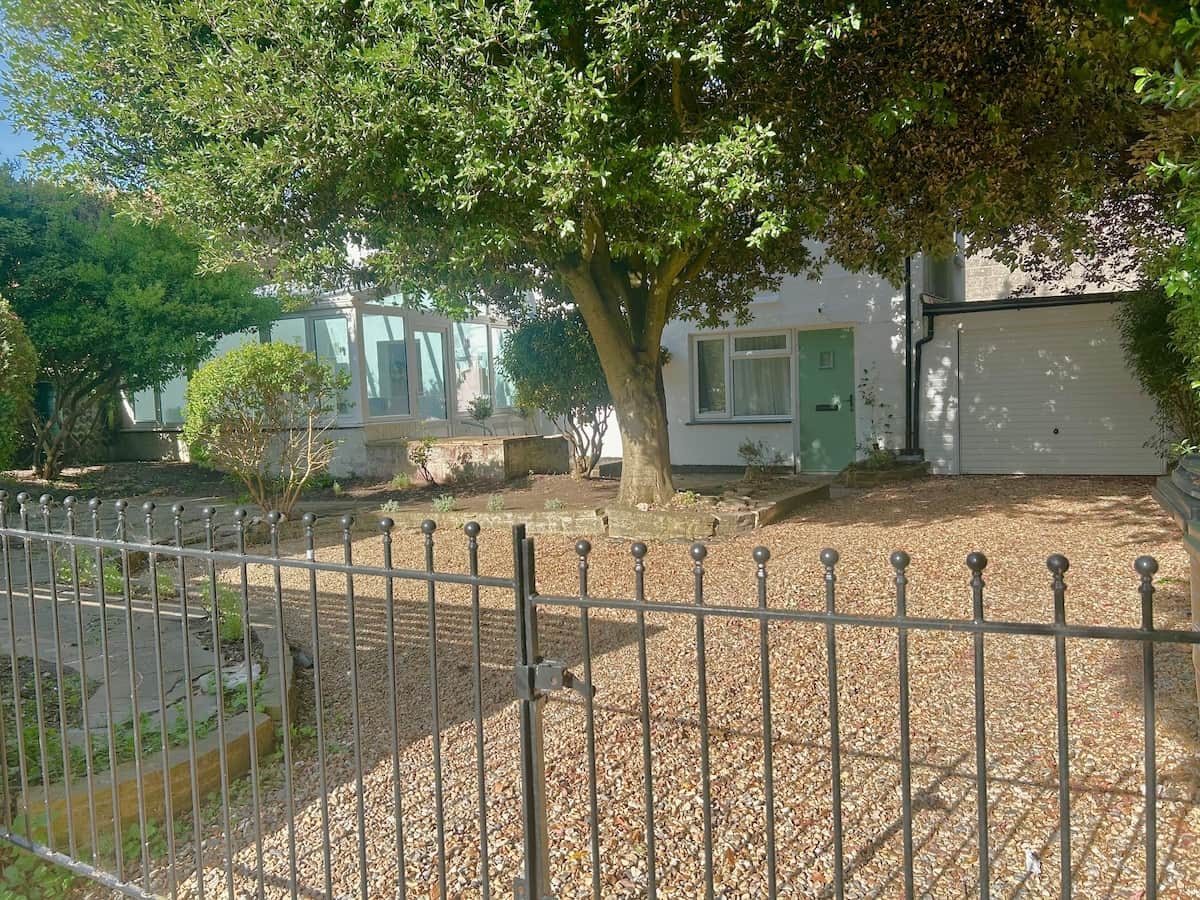
Brighton attracts guests for weekends, family visits, events, beach time and longer escapes. But demand alone does not make every property an effortless holiday let. The homes that work best balance guest appeal with the practical realities of frequent stays.
The short answer
A promising holiday let usually has:
- A location guests can understand and feel excited about
- A layout that works naturally for the number of guests advertised
- Comfortable, durable interiors that photograph well
- Reliable cleaning, maintenance and guest support
- A clear plan for pricing, seasonality and owner use
01
Start with the reason guests will choose your location
“Brighton” is only the beginning. Guests want to picture the stay: a morning walk to the sea, easy access to the city centre, a quiet base near family, or the freedom to arrive by car and park securely.
Your listing needs a clear location story. Proximity to the beach, parks, neighbourhood cafés, transport links or event venues can all matter. So can less glamorous details such as parking, noise, steps and the walk back after dark.
02
Match the layout to a real guest group
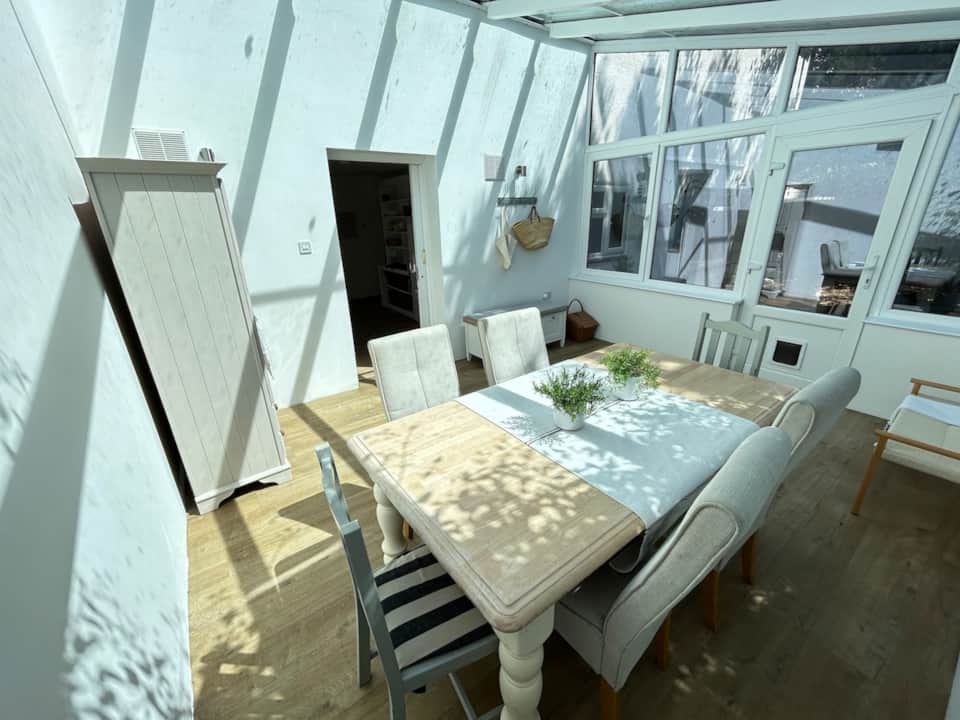
A property should live comfortably at the occupancy it advertises. Six dining chairs do not automatically make a home suitable for six guests: there also needs to be enough lounge seating, storage, bathroom capacity and room for everyone to move without friction.
Think in complete stays. Where do coats, luggage and pushchairs go? Can early risers make coffee without waking the house? Is the outdoor space safe and inviting? If pets are welcome, is there a practical route from the garden back inside?
03
Create character without sacrificing comfort
Guests remember homes with a point of view. That does not require expensive decoration, but it does require consistency: a considered palette, good lighting, comfortable beds, useful surfaces and details that belong to the property rather than a generic rental checklist.
Presentation affects both the booking decision and the stay itself. Strong photography earns attention; thoughtful design turns that attention into confidence. Durable materials, washable finishes and sensible replacements keep the home looking good between bookings.
04
Plan the operation before the first booking
Guest experience depends on what happens behind the scenes. Cleaning standards, linen, maintenance, arrival instructions, emergency support and prompt communication all need reliable owners and clear processes.
Before launching, check the permissions, insurance, mortgage or lease conditions and local requirements that apply to your property. Requirements can change, so confirm the current position with the relevant council and professional advisers rather than relying on an old checklist.
05
Judge success across the year, not one busy weekend
A sensible plan accounts for quieter periods, cleaning and linen, utilities, maintenance, platform costs, management, repairs and the time you want to reserve for personal use. The highest nightly price is not always the strongest strategy; consistency, positioning and guest satisfaction build longer-term value.
Start with realistic scenarios rather than a single headline figure. A professional assessment should connect the property’s likely audience, achievable rates, occupancy pattern and operating costs.
A Brighton example
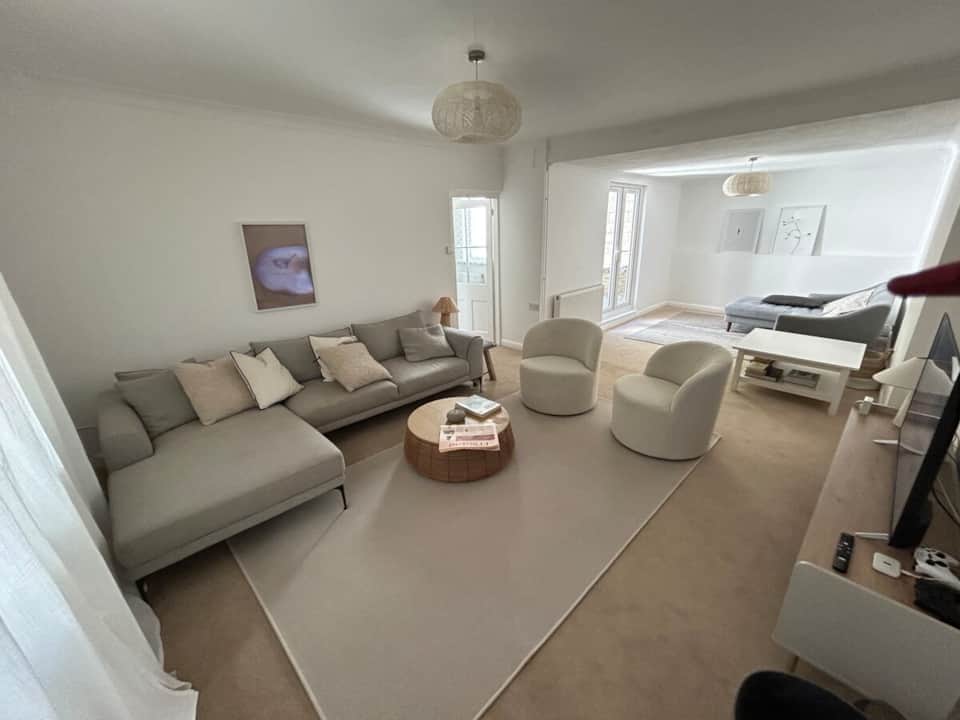
The Coach House
TCH combines a detached setting, private gardens, generous shared space and gated parking for up to three cars. Those practical strengths support a clear guest proposition—and the home has earned consistent five-star feedback.
View the live propertyHave a place with potential?
Let’s assess it properly.
We can review your Brighton or Sussex property, identify the opportunities that matter and shape a realistic route from preparation to guest-ready operation.
Book a property conversation